






“Why don’t you know how to speak Tagalog, but your older brothers can?” a friend of my mother once asked.
“Because they never taught it to me,” I responded, pushing any responsibility of learning my parents’ native language onto them.
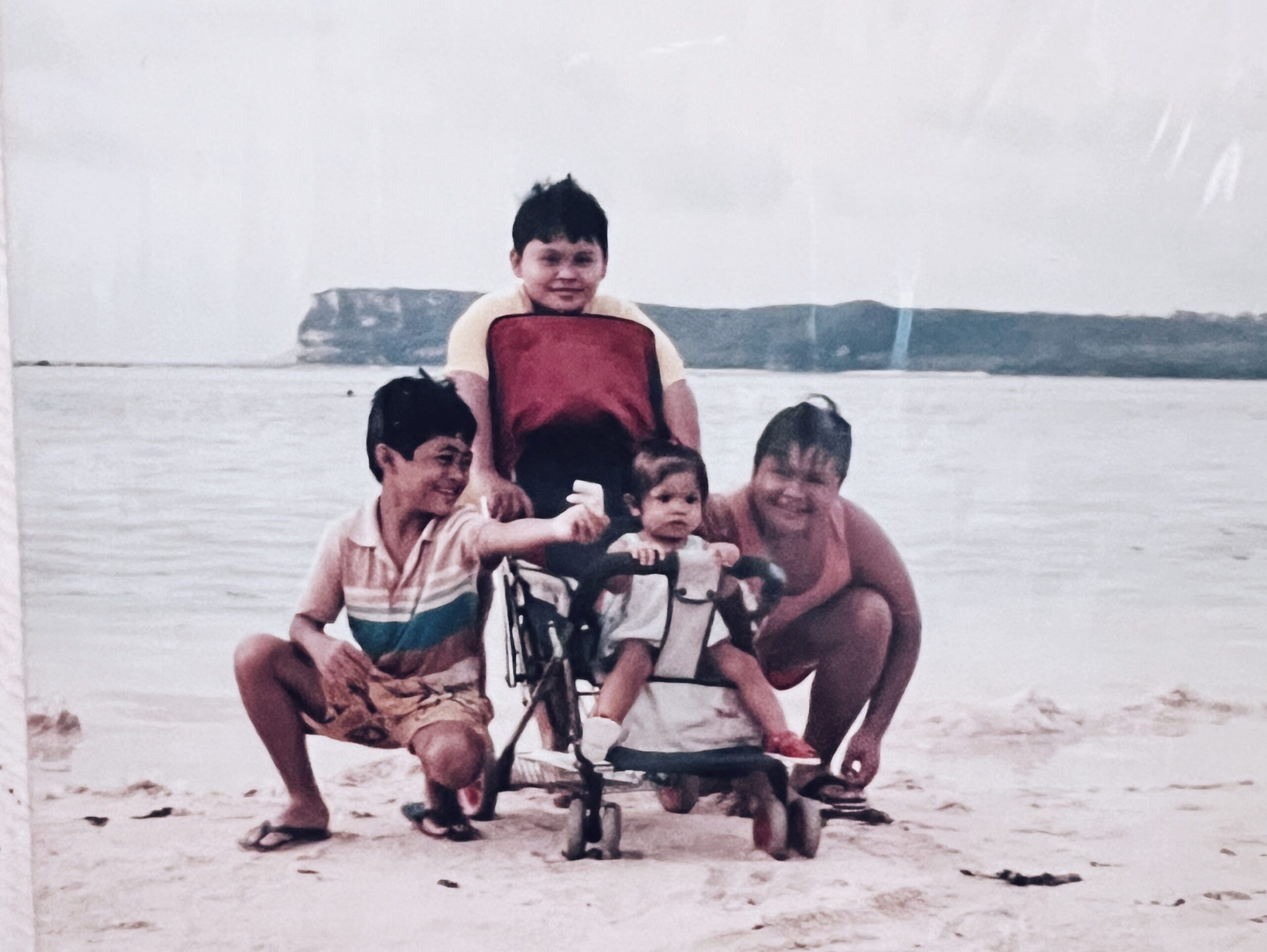
I can understand Tagalog to a certain extent, but not in a way that allows me to deeply resonate with Filipino songs, movies, poetry, or anything that carries the weight of emotion and history. Although I grew up watching Filipino films and TV shows, and Tagalog is my mom and dad’s first language, I was the only child out of my siblings born in the U.S., where English became my primary language. At home, English was usually spoken to me—except when I was being disciplined, in which case my wrongs would be angrily communicated in Tagalog. Ironically, I first spoke Tagalog at age four, singing along to one of my dad’s karaoke LaserDiscs—a memory I credit with teaching me how to read.
I could approach this subject with the humor of Jo Koy, but the reality is that a part of me deeply longs to speak my parents’ native language. I yearn to speak to them in a way they truly understand, especially my mom, who, despite speaking broken English and only completing a middle school education in the Philippines, managed to sustain a supervisory position for over 13 years here in Guam. Recently, I produced a documentary following my husband’s journey of self-identity because he, too, cannot speak his native language. It made me reflect on the emptiness I’ve always felt growing up as a first-generation Filipino-American in Guam.
As my parents age, I feel a growing sense of urgency to learn.

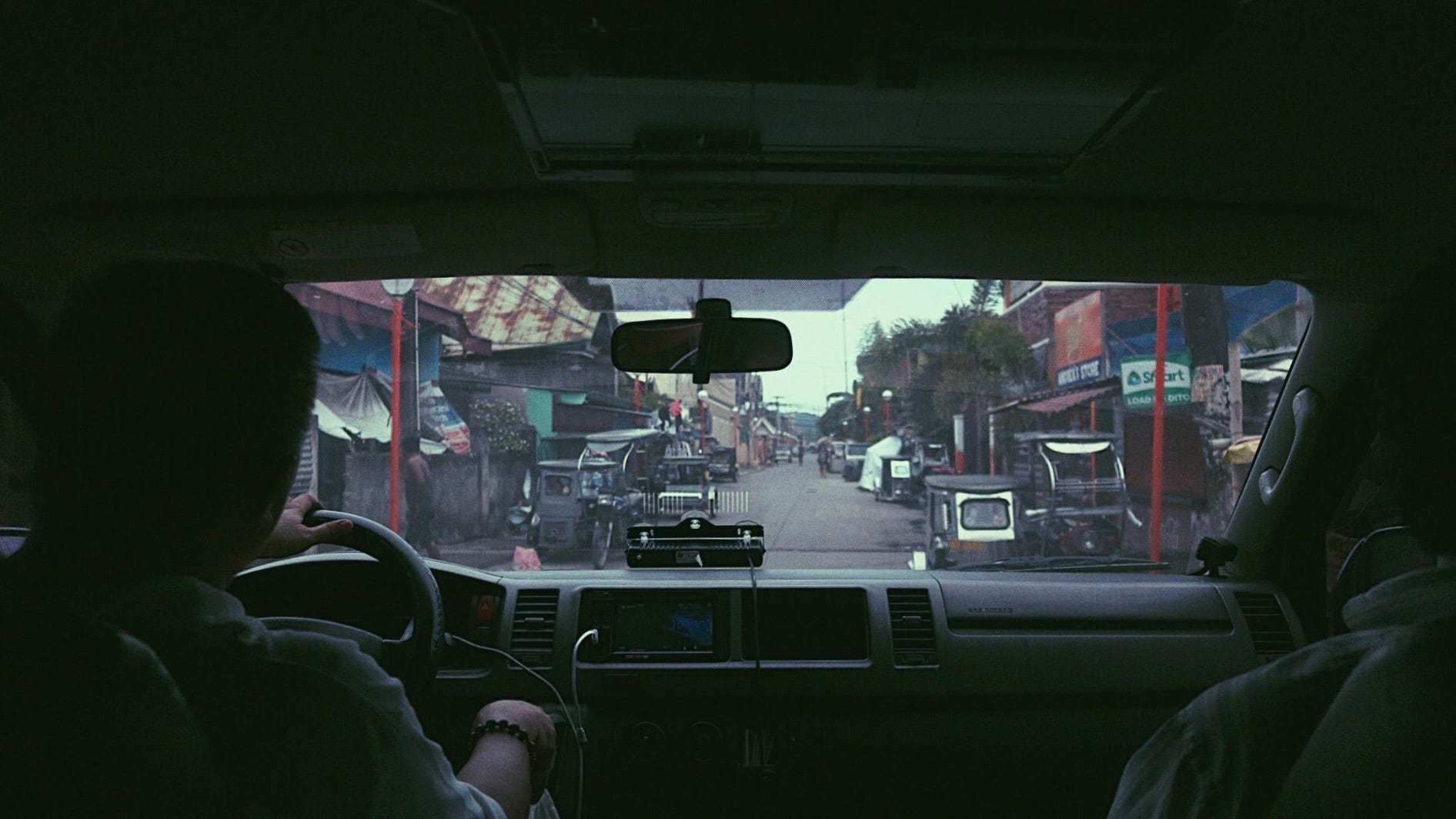
I often visit the Philippines, but it’s not to see extended family or visit the province. It’s to get away, to reward myself with much-needed R&R. I stay in the city, where it’s safest for foreigners like me. Though I may look like I belong, the moment I speak, I’m instantly categorized as “American”. Every now and then, the reality of not truly belonging anywhere hits harder than I can put into words.
I do wonder if and when my sons will feel the same. I try to speak basic Tagalog words to them. I’m grateful that my parents are their caretakers, giving them the opportunity to learn. It’s most tender and endearing to hear my 2-year-old speak more Tagalog words and immediately tell me what they mean in English. Through them, I see hope—that they will continue to have the curiosity to learn who they are and where they come from.


